Commercial production · Polydin Studio

Black Lake — Level & Technical Design Case Study
My work on a first-person cosmic survival horror game, where atmosphere, player guidance, encounter logic, and robust implementation must all tell the same story.
- Role
- Level / Technical Designer
- Studio
- Polydin Studio
- Engine
- Unreal Engine 5
- Release
- Coming soon
I bridge the space between a design idea and a dependable player experience.
On Black Lake, I contribute across level and technical design. That means thinking about the emotion a space should create, the decisions it asks from the player, and the implementation required to make that experience hold together in production.
My value is in the connection: spatial design informed by systems, technical implementation informed by player intent, and iteration informed by what actually happens in-game.
Level architecture & player flow
Building readable spatial hierarchy, routes, landmarks, and pacing so exploration feels intentional while tension stays intact.
Technical design & implementation
Connecting design intent to Unreal Engine logic, prototypes, gameplay events, and reusable solutions that the team can iterate on.
Iteration & production delivery
Testing the player experience, diagnosing friction, communicating dependencies, and carrying work from idea to production-ready execution.
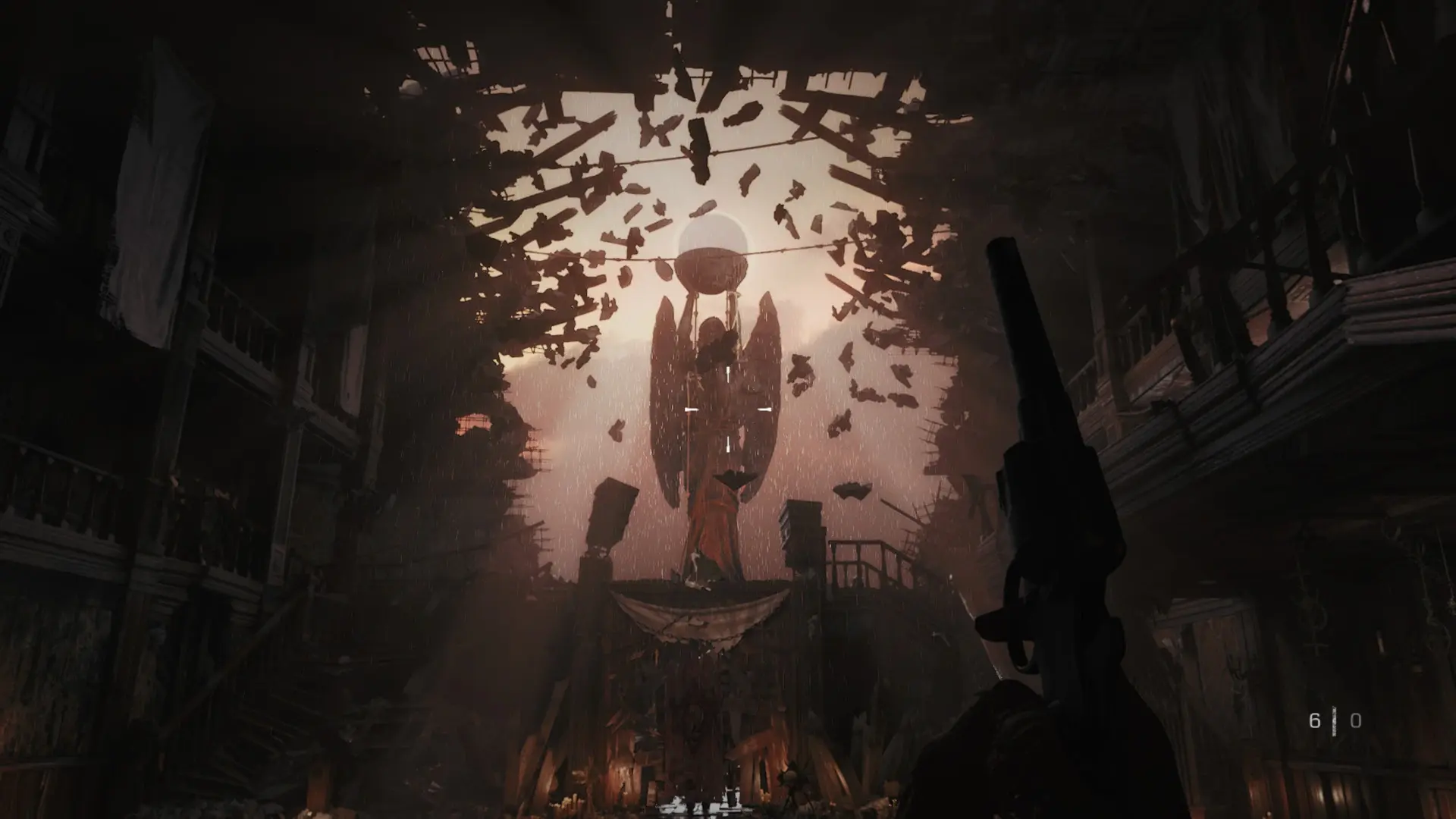
The official announcement trailer, featured by IGN.
Black Lake is now public on Steam and open for wishlists. The trailer offers the clearest look at the atmosphere, navigation, encounters, and gameplay context behind my production work.
Open trailer on YouTubeHorror built from connected decisions.
These public game pillars define the design problem: every route, interaction, and technical event must reinforce vulnerability, curiosity, and the cost of moving forward.
Interconnected exploration
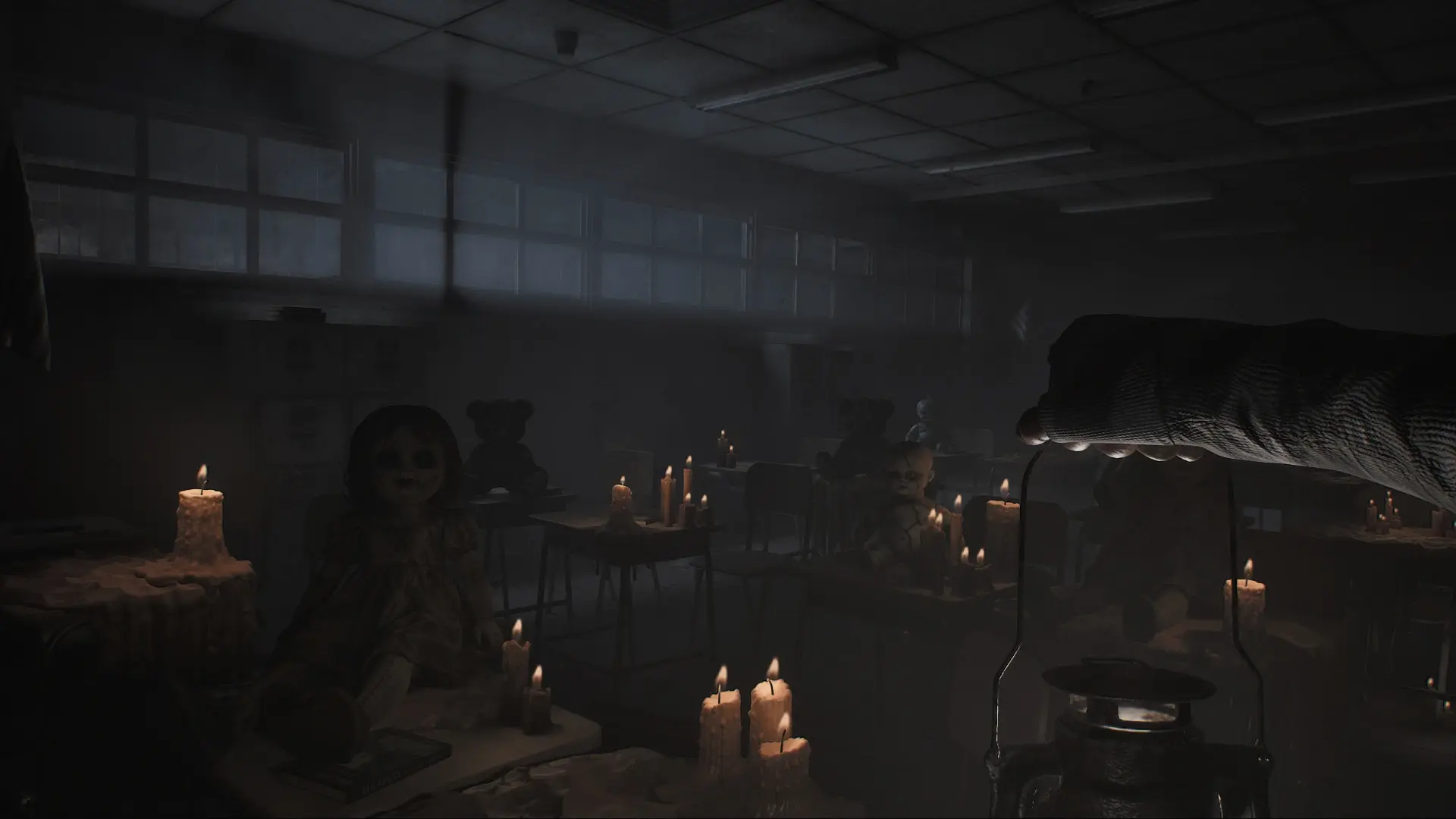
Classrooms, flooded halls, chapels, and impossible spaces form a world that rewards observation and spatial memory.
Temporary safety
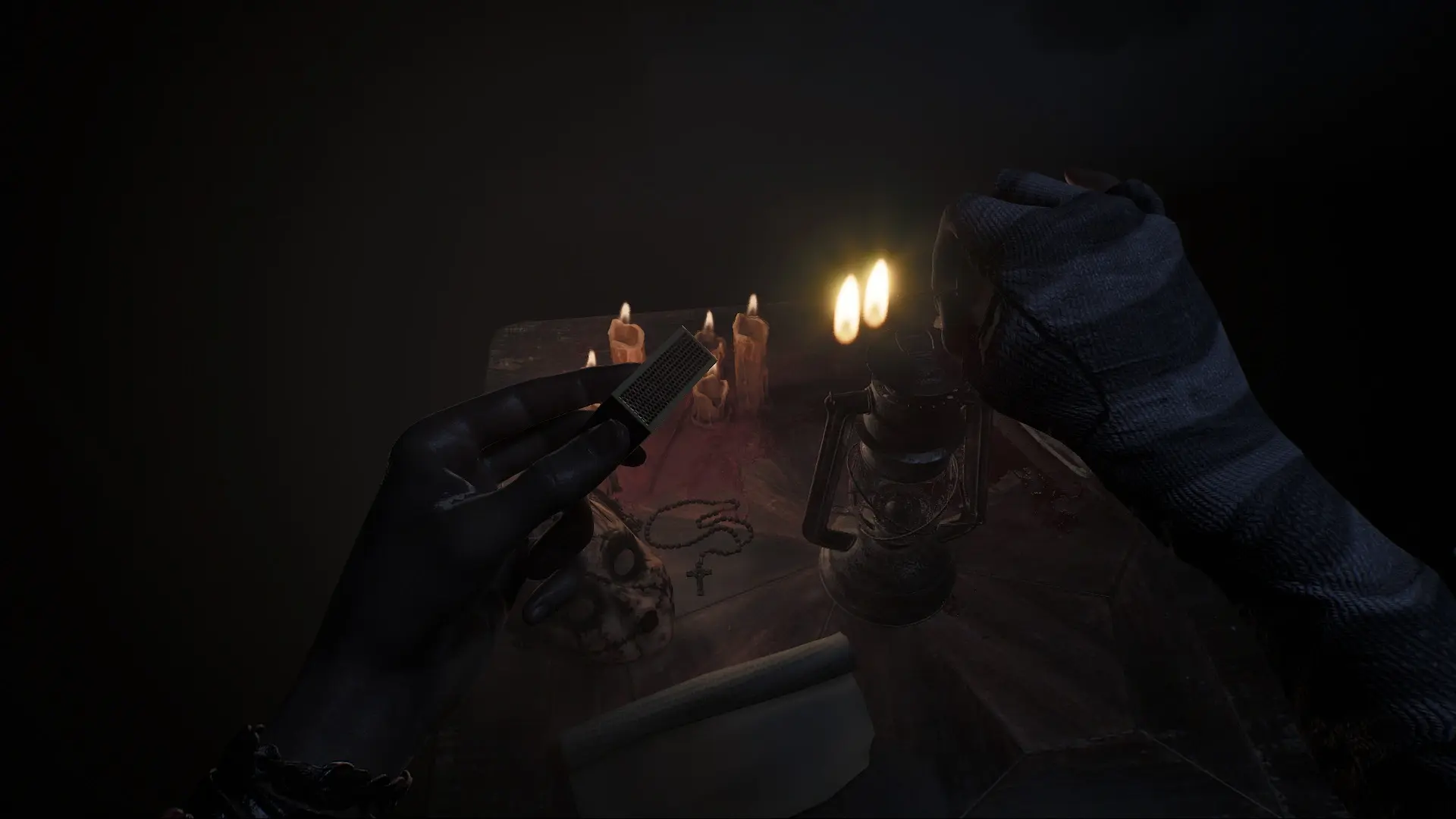
Candles create short-lived refuges, turning recovery, resource management, and the decision to move on into one tense loop.
Pressure through limitation
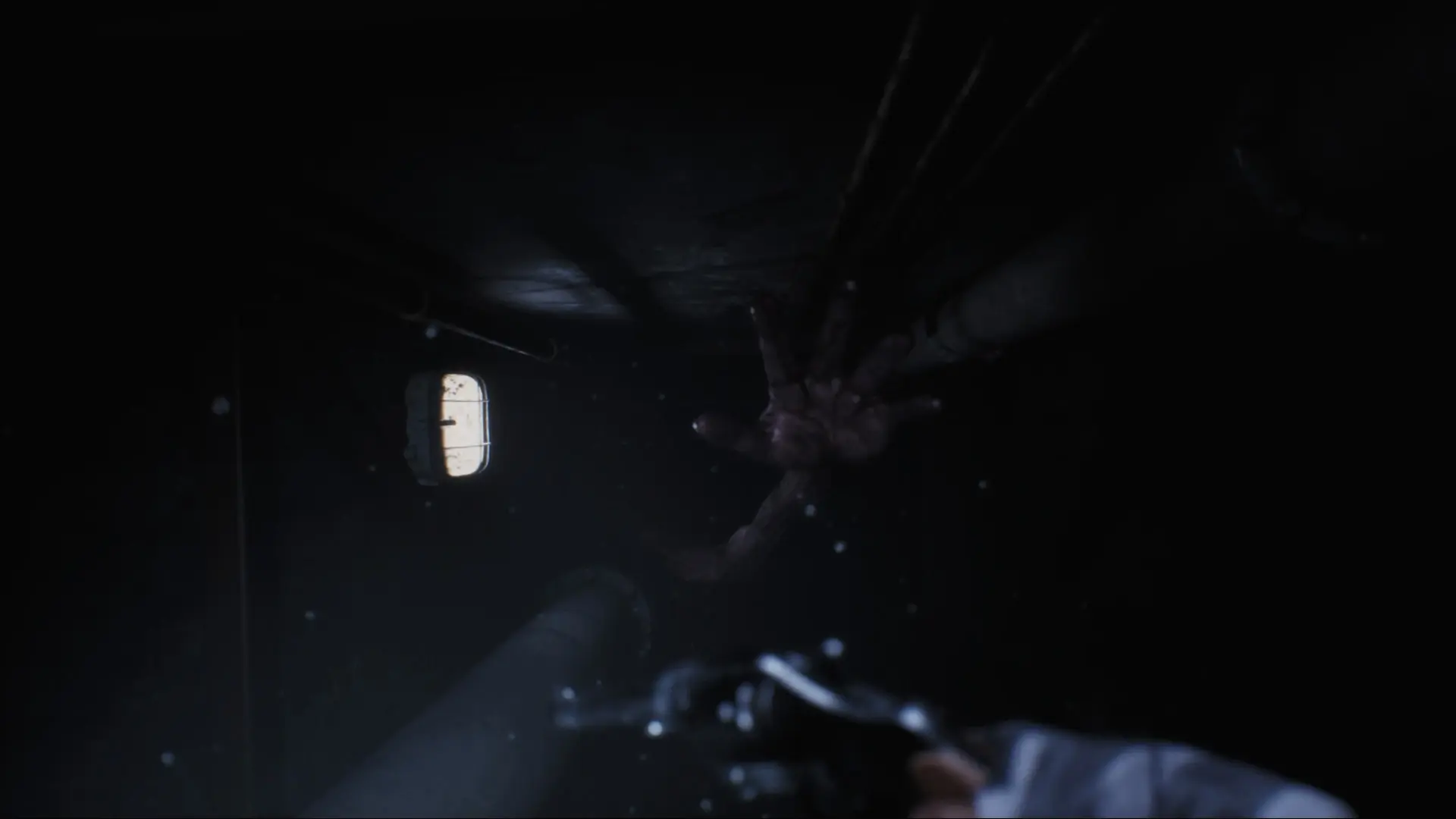
Stealth, distraction, limited resources, and a weapon that buys time rather than certainty keep encounters readable but dangerous.
Narrative in the environment
Routes, clues, encounters, and puzzles carry story information so the orphanage communicates through play—not exposition alone.
Spaces that communicate before they explain.
Reliable is a design skill.
Strong production design is not only a compelling idea. It is a clear decision, a testable implementation, an honest iteration loop, and work the rest of the team can trust.
- 01
Frame the intent
Define the player emotion, gameplay purpose, constraints, and success criteria before committing to detail.
- 02
Build the playable truth
Prototype early in engine so decisions are tested through movement, timing, interaction, and real production conditions.
- 03
Pressure-test the experience
Play, observe, debug, and refine. Treat unclear guidance and fragile logic as design problems—not player problems.
- 04
Leave the work stronger
Communicate edge cases, keep implementation understandable, and hand off work that other disciplines can confidently build upon.